The ISO 9001:2026 Updated Annex A Requirements Explained for Small Businesses
Does a machine shop need design controls if it builds to a customer’s drawing? Can an IT service company use its ticketing system as audit evidence? Questions like these come up when a business tries to apply ISO 9001 to the work its people do every day. The expanded Annex A in ISO 9001:2026 gives small businesses more context for answering them.
ISO published the revised standard on September 16, 2026. If you’re preparing to move from ISO 9001:2015, keep Annex A open while you review your QMS. It can help you decide where an existing process already meets a requirement and where an update would make a difference. Read ISO’s publication announcement.
What Changed in ISO 9001:2026 Annex A?
ISO 9001:2015 already included an informative Annex A. The 2026 edition expands the explanations and follows the requirements in Clauses 4 through 10 more closely. That makes it easier to move between a requirement and the explanation of its intent. The revision also removes Annex B, which covered other ISO quality management standards. References to those resources now appear in Annex A and on the ISO technical committee’s website.
Annex A is informative. Certification auditors base any finding of nonconformity on evidence that a requirement was unmet. When the finding concerns ISO 9001, ask which requirement in Clauses 4 through 10 applies.
Annex A can help you understand that requirement, and the clause itself provides the audit criterion. See ISO’s summary of the revision.
The annex also reminds readers to look at requirements together. A customer’s revised specification, for example, can affect contract review, purchasing, shop instructions, and final inspection. Examining those connections helps you spot where a change could get lost between teams.
What Annex A Clarifies About Everyday ISO 9001 Terms
Words like “consider” can change what a requirement asks you to do. Annex A explains that “consider” calls for evaluating a factor and deciding whether to include it. “Take into account” means factoring it into the decision or action. “Ensure” makes someone accountable for an outcome, even when another person performs the work.
Annex A also distinguishes information people need to access from information the business keeps as evidence. A current setup instruction tells an operator how to run the job. A completed inspection record shows what the operator checked on a particular order.
Both can live in the same system. They serve different purposes and may need different controls.
Manufacturing Example for a Build-to-Print Machine Shop
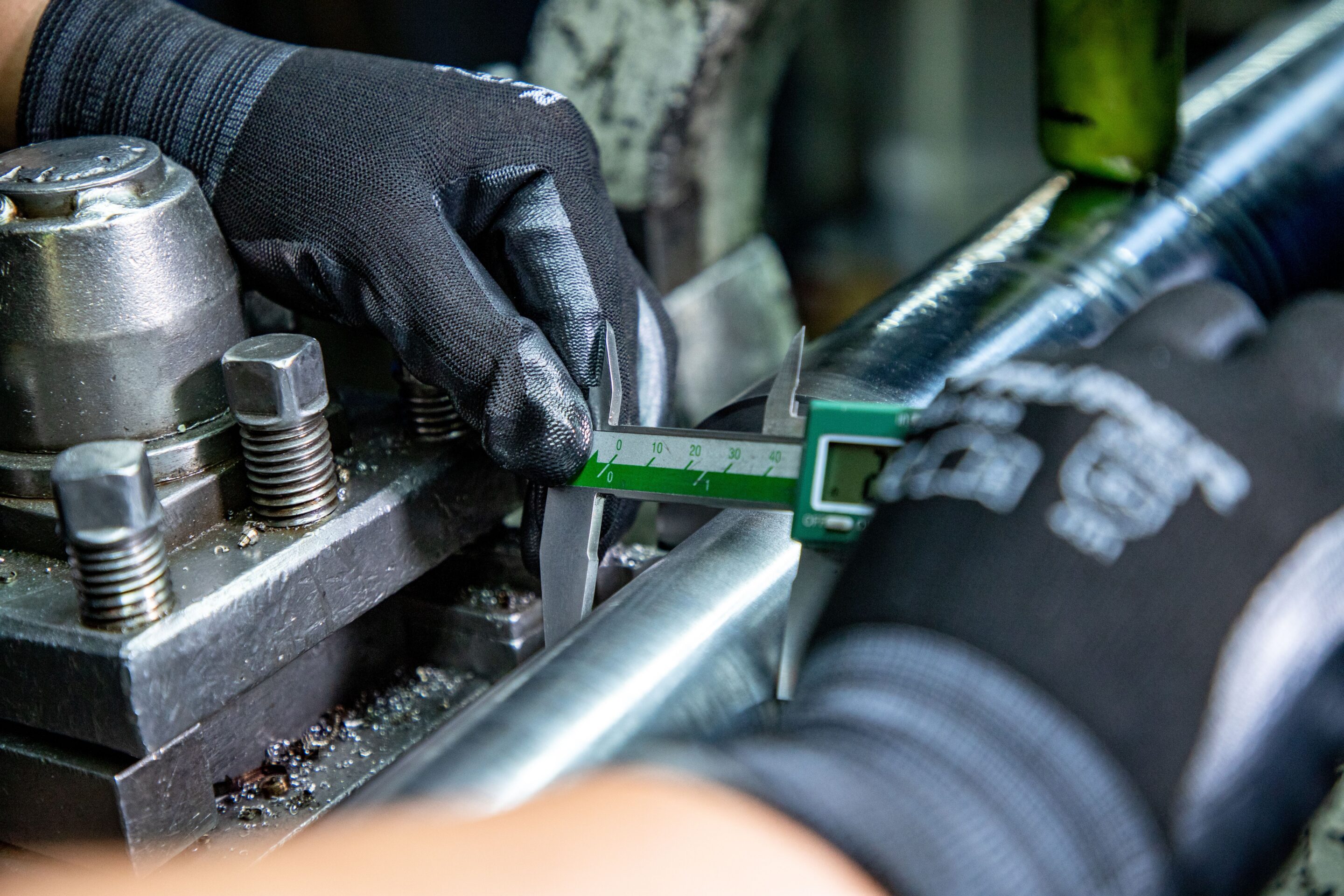
Suppose a 20-person CNC shop makes brackets to customer drawings. Its team chooses tooling, sets machining parameters, and plans inspection.
Annex A’s discussion of scope and design and development (A.3, A.4.3, and A.8.3) helps the shop ask who defines the product’s characteristics. If customers own those decisions for every job within scope, the shop may have grounds to justify why Clause 8.3 is inapplicable. The shop should document its justification and check that the decision will still let it meet customer and applicable regulatory requirements. If the shop starts designing a bracket from a customer’s performance brief, it should revisit that decision.
Now suppose the customer revises a hole tolerance after the order has entered production. The shop checks which work orders are affected, confirms the new drawing is available at the machine, and updates the inspection criteria. The supervisor delegates the drawing update and makes sure operators have the right revision before work resumes. The shop can use its existing job traveler and inspection record to show which revision the team used and what it verified before release.
Annex A’s leadership guidance (A.5.1) also comes into play here. If an operator flags the conflicting tolerance just before a shipment is due, the owner can back the decision to pause the job and explain the delay to the customer. That response shows employees what the company expects when quality and delivery pressures collide.
For the shop’s ISO 9001:2026 gap assessment, follow one revised job from order review to shipment. That can reveal a practical gap, such as a current drawing reaching the machinist while the inspector still has the old tolerance. Fixing that handoff addresses a specific quality risk.
Service Business Example for a Managed IT Service Provider
A small managed IT provider promises customers a response within four business hours. Its ticketing platform already captures when a request arrived, who was assigned, and when the customer received a response. The provider can use those records to evaluate its performance under Clause 9.1 and draw on customer feedback to understand how clients experience the service. Annex A’s discussion of documented information and performance evaluation (A.7.5 and A.9.1) helps the team see where its everyday records can support the QMS.
The owner reviews missed response targets and finds that tickets submitted through a shared inbox sometimes go unassigned. The immediate correction is to assign the delayed tickets and contact the customers. Because the issue keeps recurring, the team investigates the routing problem, assigns someone to cover the inbox each day, and checks a month of ticket data to see whether response times improve. Annex A’s clarification of Clause 10.2 helps the team decide how far to investigate by weighing recurrence and customer impact.
If the provider uses an outside partner for after-hours support, it still owns the service commitment to its customers. Annex A’s explanation of Clause 8.4 helps the provider identify controls that fit the arrangement. It could specify when the partner must escalate a ticket and sample closed tickets to verify that the agreed handoff occurred.




How to Use Annex A During your ISO 9001:2026 Transition
Start with the requirement. During your gap assessment, read the applicable clause in the published standard. Use the corresponding Annex A section when your team has questions about a term or how the clause applies.
Follow a real order or service request. Ask the people doing the work to show how they handle it, including what happens when a customer changes a requirement or a supplier misses a commitment.
Check the evidence you already have. Review job travelers, ticket histories, approval records, or meeting notes. If you find a gap, identify what needs to change, who owns it, and what evidence will show the change worked.
Use your internal audit to verify the update. Sample a few recent jobs or requests against the applicable requirements. Bring recurring issues and resource decisions to management review.
ISO’s transition guidance gives organizations already certified to ISO 9001:2015 until September 30, 2029, to complete the transition. Ask your registrar when it plans to audit your system to ISO 9001:2026 so you can schedule your gap assessment, internal audit, and management review ahead of that date. Review ISO’s transition guidance.
Get help applying ISO 9001:2026 to your business
At Core Business Solutions, we help small manufacturers and service organizations connect ISO 9001 requirements to the way they do business. If you’re working toward ISO 9001 certification or updating a certified QMS, our ISO 9001 consulting team can help you identify gaps, prioritize updates, and prepare for your audit. Download Core’s free ISO 9001:2026 guide or request a quote.