
Cybersecurity isn't just a concern for large corporations anymore. Small manufacturers, engineering firms, technology companies, and service businesses are increasingly at risk of cyberattacks.
Today, many businesses rely on connected equipment, cloud software, and digital systems to manage daily operations. These technologies save time and improve efficiency, but they also create new security risks.
ISO 27001 certification helps businesses protect sensitive information, reduce cybersecurity risks, and build trust with customers.
For American small businesses, ISO 27001 can give a competitive edge. It helps when bidding on contracts or working with larger companies.
Why Manufacturers Need to Think About Cybersecurity
Manufacturing has changed significantly over the past decade. Many small manufacturers now use technology that connects their equipment, employees, suppliers, and customers.
Examples include:
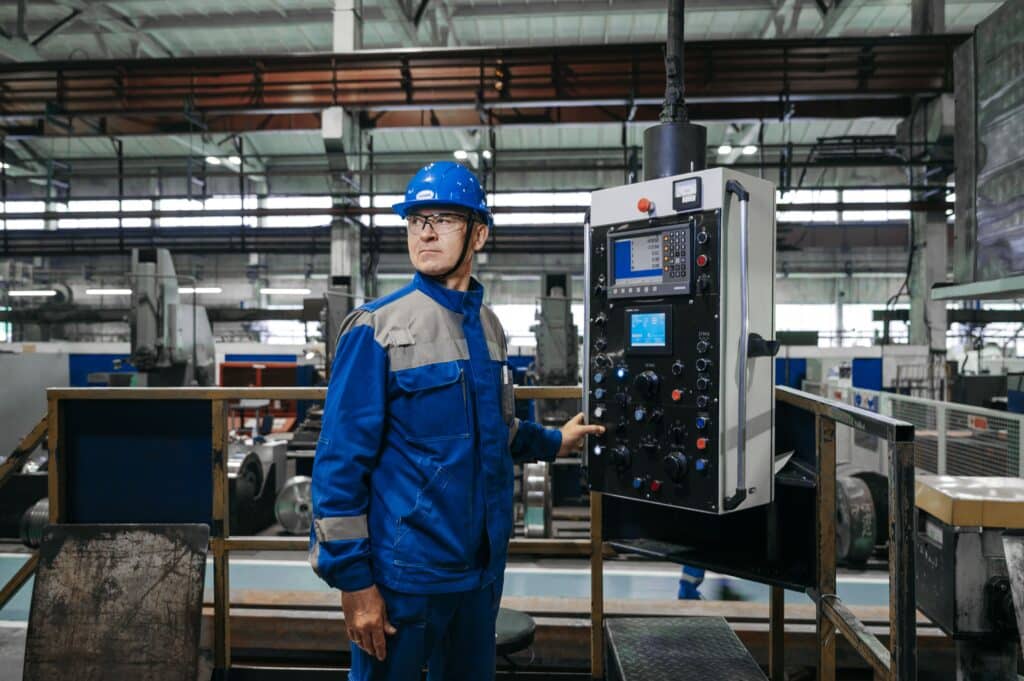
- CNC machines connected to company networks
- Sensors that monitor equipment and production
- Cloud-based inventory and scheduling software
- Digital engineering drawings and customer specifications
- Remote equipment maintenance and monitoring
- Automated quality inspection systems
While these tools help businesses work more efficiently, they also create opportunities for hackers.
For example, imagine a small machine shop that manufactures parts for an aerospace customer. The shop stores confidential drawings and product specifications on its computer network.
If hackers gain access to that network, they could steal customer information, disrupt production, or damage the company's reputation.
ISO 27001 helps manufacturers identify these risks and put safeguards in place to protect their business and customers.
How Connected Equipment and IoT Increase Cybersecurity Risks
More manufacturers are using Internet of Things (IoT) technology. IoT simply means equipment or devices that connect to the internet or other computer networks.
Examples include smart sensors, connected machines, tracking devices, and automated production equipment.
These technologies can help manufacturers monitor equipment, prevent breakdowns, and improve productivity.
But every connected device can create another possible entry point for cybercriminals.
For example, a manufacturer may use sensors to monitor its production equipment. Those sensors send information to a cloud-based system managed by an outside company.
What happens if that company experiences a cyberattack? Who can access the production data? Are the devices properly secured?
ISO 27001 helps businesses address these concerns through security policies, employee training, risk assessments, and controls for outside vendors.
Although ISO 27001 does not certify individual IoT devices, it helps companies manage the security risks associated with connected equipment and information.
What Types of Small Businesses Benefit from ISO 27001?
ISO 27001 certification applies to more than just manufacturers or large technology companies. Many growing businesses can benefit from stronger information security practices.
1. Industrial IoT and Smart Manufacturing Companies
Businesses that develop smart sensors, connected equipment, and factory monitoring systems often handle sensitive customer information.
ISO 27001 certification can help these companies show potential customers that they take information security seriously.
2. Engineering and Product Design Firms
Engineering firms regularly work with confidential drawings, product designs, and customer specifications.
For example, a small engineering company may design parts for medical devices or aerospace equipment. It may need to show how it protects customer information.
ISO 27001 can help build that confidence.
3. IT Service Providers and Cybersecurity Companies
Managed IT service providers, cloud hosting companies, and cybersecurity consultants often can access customers’ systems and sensitive data.
ISO 27001 certification can help these businesses demonstrate that they follow established security practices.
It can also help them compete for contracts with larger organizations.
4. Software, SaaS, and AI Companies
New software companies and artificial intelligence businesses are growing rapidly.
Many collect, store, or process customer information through cloud-based applications.
ISO 27001 helps these businesses manage risks related to customer data, software security, and outside technology providers.
For AI companies, ISO 27001 can also work alongside ISO 42001, the international standard for managing artificial intelligence systems.
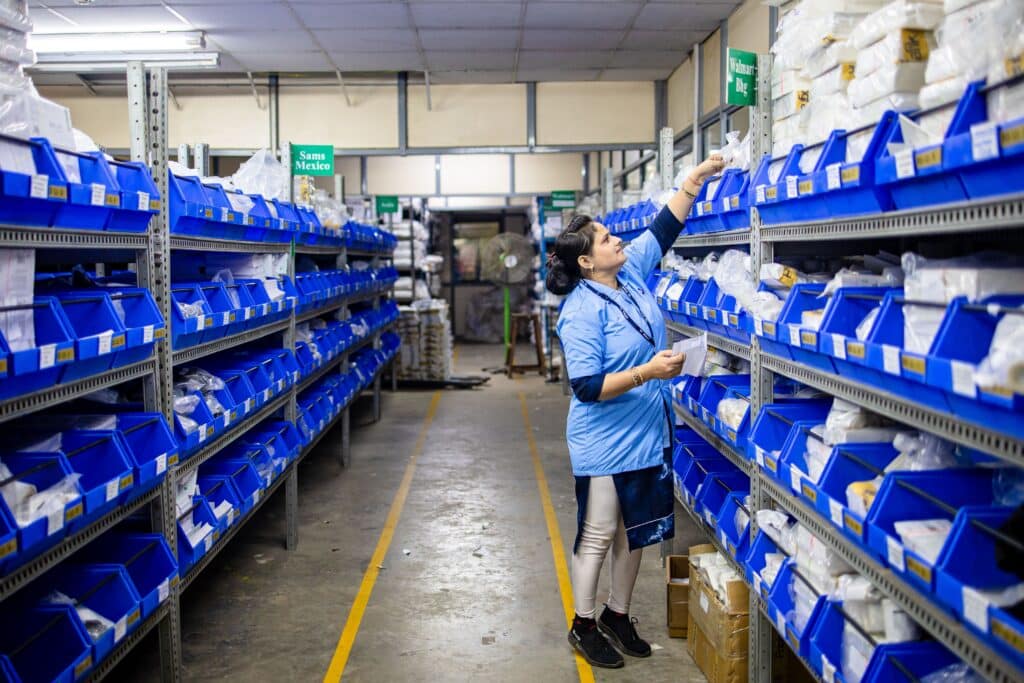
5. Logistics and Warehousing Companies
Modern warehouses and logistics providers rely on inventory systems, shipment tracking, and connected equipment.
These businesses often handle confidential customer records, shipment information, and supply chain data.
ISO 27001 can help protect that information and improve customer confidence.
6. Medical Device and Technology Manufacturers
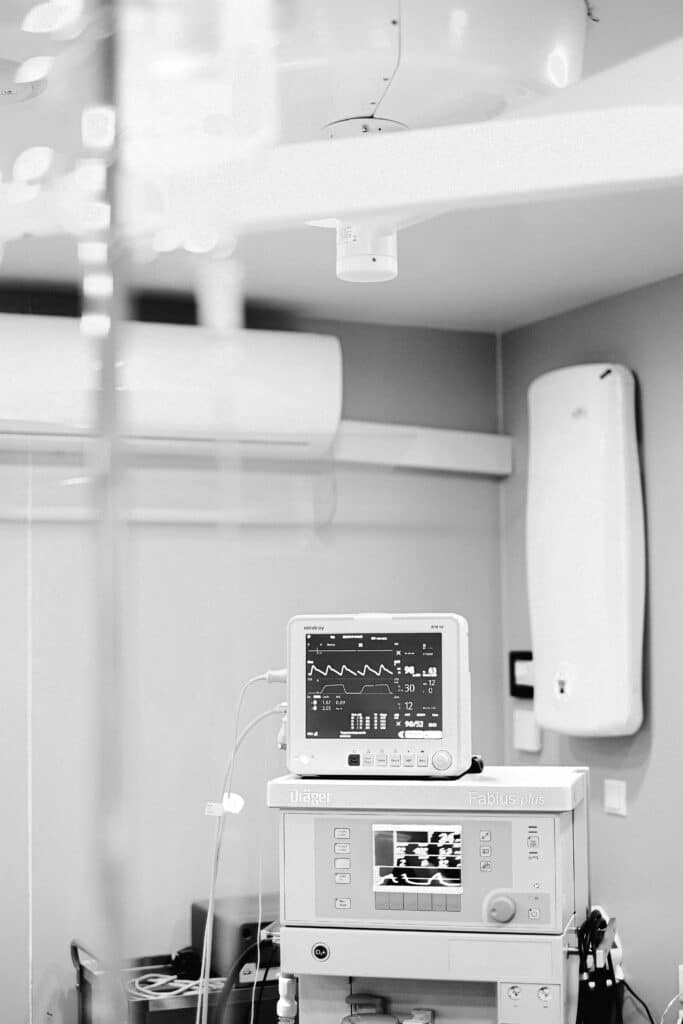
Companies that manufacture medical devices, laboratory equipment, and electronic products often handle confidential designs, software, and customer information.
ISO 27001 can support their information security efforts and complement quality standards such as ISO 13485.

What Is ISO 27001 and How Does It Work?
ISO 27001 is an international standard that helps businesses manage and protect information.
It provides requirements for an Information Security Management System (ISMS). An ISMS is simply a set of policies, processes, and safeguards designed to protect business information.
To prepare for ISO 27001 certification, businesses typically follow these steps:
- Identify what needs protection. Decide which information, computer systems, business processes, and locations the coverage will include.
- Evaluate cybersecurity risks. Look for possible threats such as ransomware, data theft, unauthorized access, and system failures.
- Put security controls in place. Create appropriate safeguards, such as password policies, access restrictions, employee training, and data backups.
- Document your processes. Maintain policies and records showing how the business manages information security.
- Review and improve. Conduct internal audits and management reviews to make sure security practices are working.
- Complete a certification audit. An independent certification body evaluates whether the business meets ISO 27001 requirements.
After certification, businesses must continue maintaining their systems and completing periodic audits.
ISO 27001 and ISO 9001: A Good Combination for Manufacturers
Many small manufacturers already have ISO 9001 certification to demonstrate their commitment to quality.
Adding ISO 27001 can be a smart next step.
ISO 9001 focuses on managing quality, while ISO 27001 focuses on protecting information. Both standards use similar management practices, including:
- Identifying and managing risks
- Training employees
- Maintaining documented processes
- Conducting internal audits
- Continually improving operations
For example, a machine shop with ISO 9001 certification may already have procedures for document control, employee training, and corrective actions.
These existing processes can make ISO 27001 implementation easier.
Together, ISO 9001 and ISO 27001 help manufacturers demonstrate that they take both product quality and information security seriously.
This can be especially valuable when working with aerospace, defense, automotive, medical device, and technology customers.
Is ISO 27001 Certification Practical for Small Businesses?
Some business owners assume ISO 27001 certification is too expensive or complicated for a small company.
However, businesses of different sizes can adapt ISO 27001.
A small machine shop with 15 employees will have different security needs than a large manufacturer with multiple facilities.
The time and cost required for certification depend on the company's size, computer systems, existing security practices, and the amount of information that needs protection.
Working with an experienced ISO 27001 consulting company can make the process easier.
Rather than developing complicated policies that employees struggle to follow, a consultant can help create a practical system that fits the business.
How Core Business Solutions Can Help with ISO 27001 Certification
At Core Business Solutions, we specialize in helping small and midsize American businesses achieve ISO certification without unnecessary complexity.
Our ISO 27001 consulting services help companies understand the requirements, identify gaps in their current security practices, develop necessary documentation, and prepare for certification audits.
Whether you're a manufacturer protecting customer drawings, an engineering company handling confidential designs, or an IT provider managing customer data, Core can help you build an information security management system that fits your business.
Our goal is to make ISO 27001 implementation understandable, manageable, and affordable.
Certification itself is issued by an independent certification body after a successful audit.
Protect Your Business and Build Customer Confidence
Cybersecurity is becoming an important part of doing business, especially for manufacturers and service companies that handle sensitive customer information.
More customers are asking suppliers how they protect data, manage cybersecurity risks, and prevent disruptions.
ISO 27001 certification can help your business answer those questions with confidence.
It can also help you stand out from competitors, strengthen customer relationships, and prepare for future business opportunities.
Ready to get started with ISO 27001 certification?
Contact Core Business Solutions to learn about our affordable ISO 27001 consulting services. We help your business protect sensitive information. We also help you prepare for certification. We help you meet growing customer expectations.
Core can help prepare your business for certification to other cybersecurity standards such as SOC 2, ISO 20000-1, ISO 42001 as well. Just reach out to talk to a consultant today to learn more.


